The single most expensive mistake a Grand Mesa owner can make in 2026 is pricing off the wrong market. The headline Leander numbers that show up on every portal and in every neighbor's mailer describe a city that Grand Mesa does not live in. Same ZIP code, same MLS, different sub-market entirely.
This post is written for owners in the gated acreage sections west of Crystal Falls Parkway who are thinking about a sale in the next twelve months. The thesis is simple. Leander's headline stats are being generated by production homes on quarter-acre lots at roughly the $450K median. Your buyer pool, your comp set, and your marketing timeline all sit somewhere else. Anchoring to the wrong number is the friction that shows up later as a stale listing and a discount that did not need to happen.
Two Leanders, One MLS Search
Pull up a Leander market report and you will see a story of tight supply and quick sales. In February 2026, Leander's median sale price was $451,210, 90 homes closed, active inventory sat at 540 listings with 6.0 months of supply, median days on market was 45, and homes closed at 2.9% below asking on a 92.8% list-to-close ratio. Other trackers cut it differently. One 2026 report puts the Leander median near $445,000 with roughly 28 days on market and well-priced homes in Crystal Falls and Larkspur going under contract in 10 to 15 days.
Now filter for the segment Grand Mesa actually sells in. As of April 2026, there were approximately 224 active listings priced above $700,000 in Leander with a median days on market of 59, 7.9 months of supply across the luxury segment, homes selling an average of about 5% below asking, and roughly 45% of active luxury listings with at least one price reduction. Go higher. In the upper end of the price range, particularly above $1 million, some price bands carry 13 or more months of supply.
That is the friction in one paragraph. The city runs at 1.8 to 6 months of supply depending on who is counting. The tier your house actually sells in runs at 7.9 to 13-plus months.
The Comp Set Is Smaller Than The MLS Suggests
Grand Mesa's supply problem is really a comp problem. The physical inventory that competes with your home is a small, specific list of custom builds on acreage, not the broader Leander MLS.
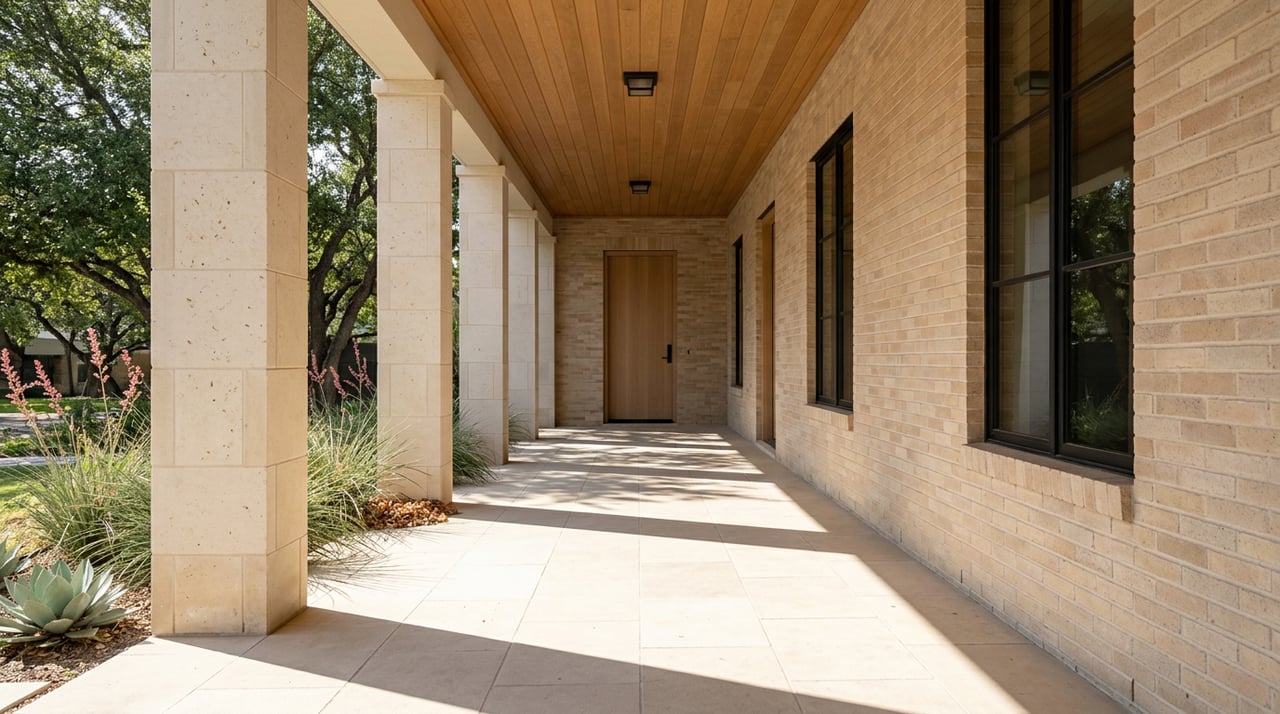
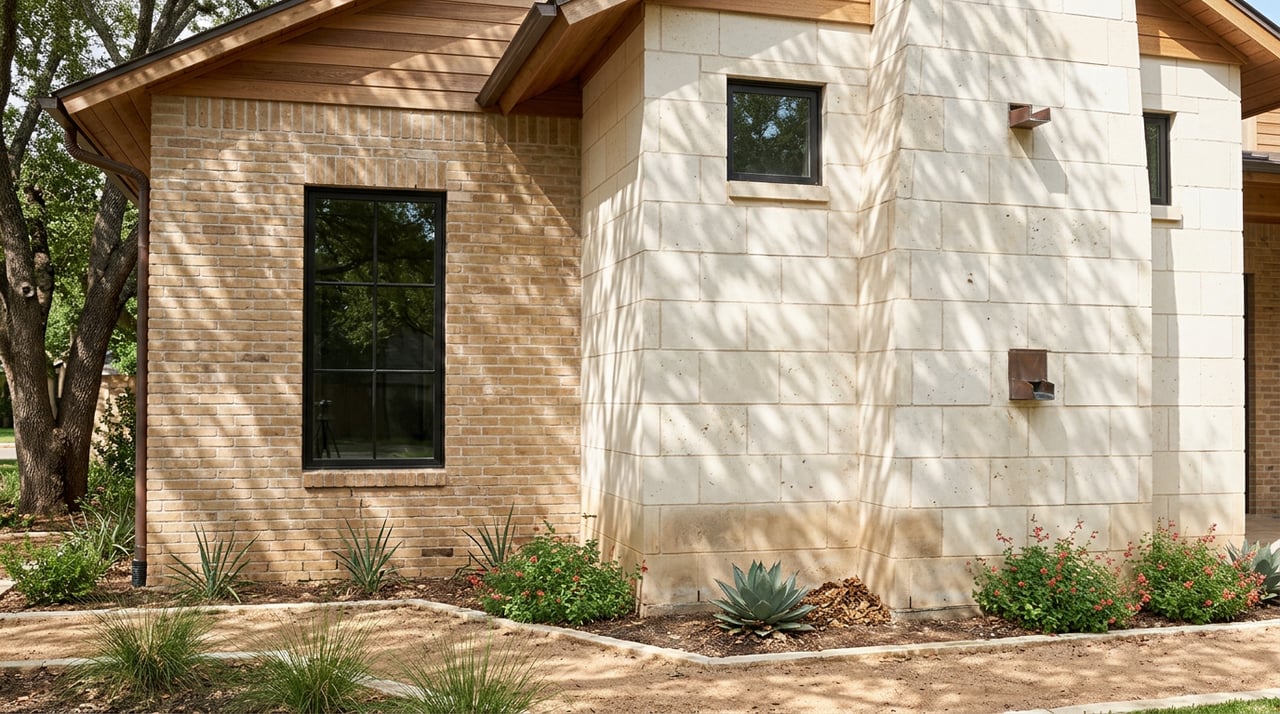
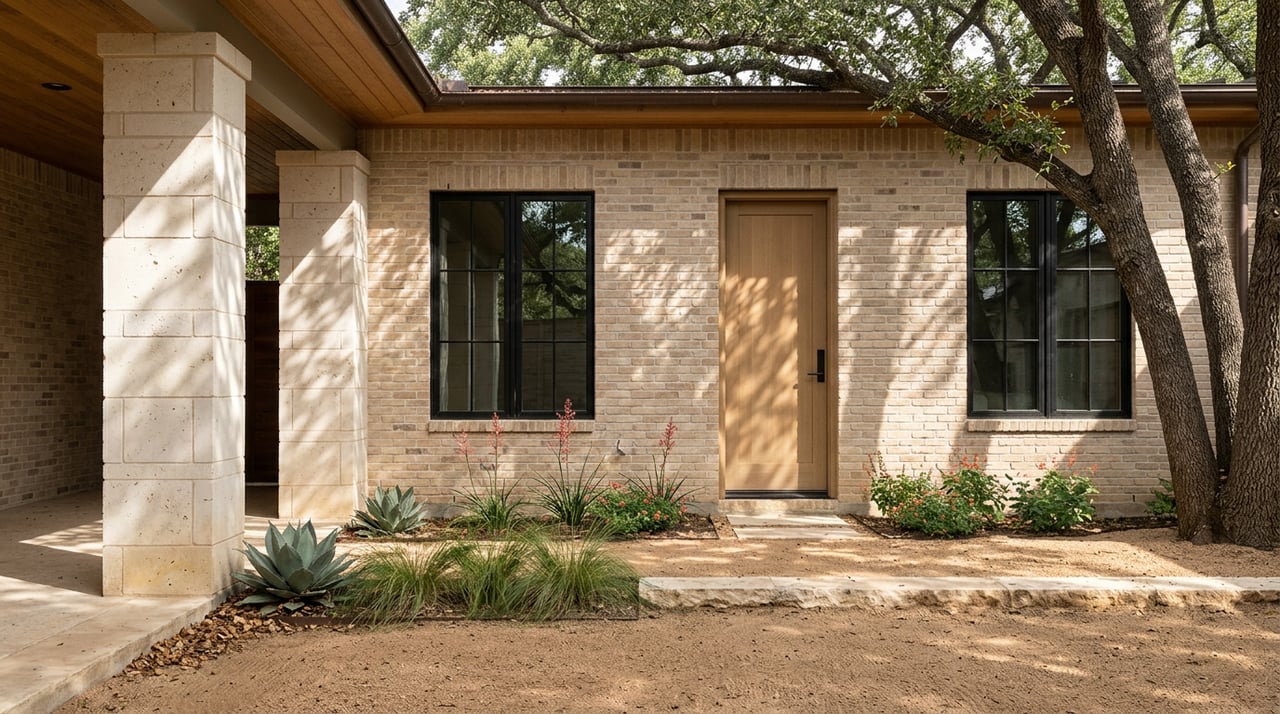
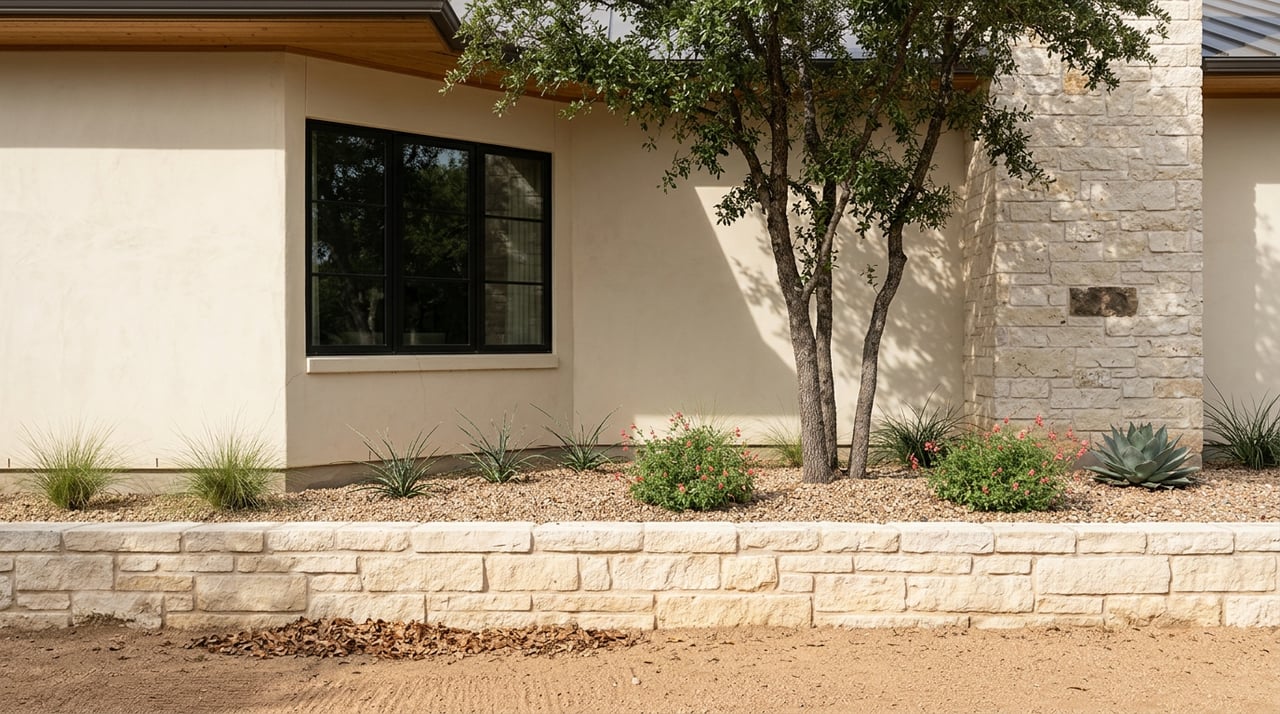
Grand Mesa at Crystal Falls is a gated community of 1 to 7 acre homesites along the Jack Miller-designed Crystal Falls golf course with private streets, and it is a "dark sky" neighborhood with no streetlights. Deed restrictions preserve the natural landscape, homesites run 1 to 3 acres in the core sections, and custom homes range roughly 3,065 to 7,671 square feet with 3 to 7 bedrooms. Nothing in that description matches a production floorplan on a 60-foot lot elsewhere in 78641.
The comps that matter are builder-identified. Recent and active listings inside Grand Mesa reference a single-story custom by Giddens spanning 4,139 square feet on the canyon rim, an extensively upgraded Scott Felder custom on a 1.136-acre cul-de-sac lot on High Lonesome, and a one-owner Tony Klaer custom on a 2-acre unobstructed view lot. Custom homes from Group Three Builders sit throughout the community, and Giddens Homes has been building estate homes in the northwest Austin suburbs since 1982. Streets do the sorting: High Lonesome, Camelback, Mira Vista, Goodnight Trail. A recent listing at 1403 Camelback sat on a 5.5-acre cul-de-sac lot at 3,875 square feet. These are the comps.
The practical implication for a seller: an MLS search that pulls twenty "similar" 78641 homes to justify a list price is doing the wrong math. The right comp set is closer to a dozen homes over an eighteen-month window, filtered by builder identity, acreage class, view axis (canyon, greenbelt, golf, ridge), and whether the lot is inside the gate or in the newer sections outside it. That is a hand-built comp file, not an auto-generated one.
The mechanism worth understanding: your list price is not competing with 224 luxury listings across Leander. It is competing with the six or eight Grand Mesa homes an educated $1M-plus buyer will tour in the same weekend. Price to that shelf, not to the citywide chart.
Reading The Price-Cut Data Honestly
The luxury tier's 45% price-reduction rate is the number sellers should study most carefully. It is not a signal that the market is broken. It is a signal that a large share of sellers priced against the wrong anchor and had to correct in public.
A relevant data point from the prior year sharpens the picture. Leander data from April 22, 2025 to July 21, 2025 showed homes over $700,000 had a median of 77 days on market, and listings in the $600,000 to $699,999 range saw average price drops of 8% in June. An 8% correction on a $1.4M list is $112,000. That is the cost of anchoring to a headline stat and testing it in public rather than pricing to the actual comp shelf on day one.
Two structural forces sit behind the pattern. First, the qualified buyer pool for a gated acreage estate on Camelback is small and largely relocation-driven. Cash purchases in Leander have risen from 18% to 22% and average down payments have climbed from 15% to 18%, which tells you the upper-tier buyer is financially able but also more deliberate. Second, the tier is still absorbing new inventory. The $700K+ tier is the only segment showing inventory growth, reflecting new luxury development outpacing demand at higher price points. A Grand Mesa resale is competing not just with other resales but with new custom builds and Travisso builder inventory reaching into the same price band.
A Pre-Market Path That Fits A Small Buyer Pool
When the qualified buyer pool for your specific home is measured in dozens rather than hundreds, the launch has to be engineered. A public listing that goes stale in a segment averaging 59 to 77 days on market is a listing that starts negotiating against itself. This is where a phased Compass approach earns its keep for Grand Mesa specifically.
The sequence works like this in practice:
- Private Exclusive. The property is shared inside the Compass agent network before any public marketing. Feedback from showing agents refines the price and the story before the clock starts.
- Coming Soon. Controlled public visibility with a defined window. This concentrates early buyer interest into a launch weekend rather than diffusing it across sixty days of drift.
- MLS launch. Full syndication once pricing, staging, and photography are calibrated to what the private and coming-soon phases actually revealed about buyer response.
The point is not the branding. The point is that in a tier where roughly 45% of active luxury listings have had at least one price reduction as of April 2026, controlling the first thirty days is the entire game. Public days-on-market becomes a negotiating weapon for the buyer the moment it starts stacking up.
Pricing Decision Framework For A 2026 Grand Mesa Listing
Before setting a number, work through these five questions in order:
- Who built the house, and which three most-recent Grand Mesa sales share that builder or builder tier? Not neighborhood. Builder identity plus lot class.
- What is the view axis, and is it protected? Some lots have public golf course frontage, others back to the newer outside-the-gate sections with hill country views. Views that cannot be built out justify a premium the comp set has to reflect.
- What did the last two Grand Mesa listings above your target price actually do? Sold at list, sold with a reduction, or withdrew. Withdrawals are the most useful data point and the one auto-generated comp reports ignore.
- How much of the $700K-plus supply is builder inventory that competes with a resale? Builder incentives in Travisso and elsewhere set an implicit ceiling on what a resale can hold.
- What is the seller's timeline tolerance? In a segment where certain $1M-plus bands carry 13-plus months of supply, pricing for a 60-day sale and pricing for a 180-day sale are different exercises with different launch strategies.
FAQ
Does the "Leander is a seller's market" headline apply to Grand Mesa? It applies to the price bands that generate most of Leander's transaction volume, which sit well below Grand Mesa's typical list price. The luxury segment across Leander was a buyer's market as of April 2026 at 7.9 months of supply, with certain $1M-plus bands carrying 13 or more months. Treat the citywide narrative as background and the luxury-tier data as the number that matters.
How should a Grand Mesa seller think about days on market? Median days on market for Leander listings above $700,000 was 59 days as of April 2026. Plan the marketing calendar and the price around that reality, not around the 22 to 45 day citywide figures. A launch strategy that assumes a two-week sale will feel like a failure by day thirty and produce a reduction that was not necessary.
What is the biggest pricing mistake owners are making in this segment right now? Anchoring the list price to an average price per square foot pulled from a broad MLS search. Grand Mesa's builders, acreage classes, and view lots do not average cleanly. The 8% average price drop in the $600,000 to $699,999 range in June 2025 is a preview of what happens when a custom home is priced against the wrong shelf.
Let's Connect
If you own in Grand Mesa and you are weighing a 2026 sale, the most useful conversation is the one that happens before a price is set. I live in Grand Mesa, I have represented more than a dozen sales inside the community, and I build the comp file by hand. If that is the kind of preparation you want behind your listing, Sherri Farias is a message away. Let's Connect.