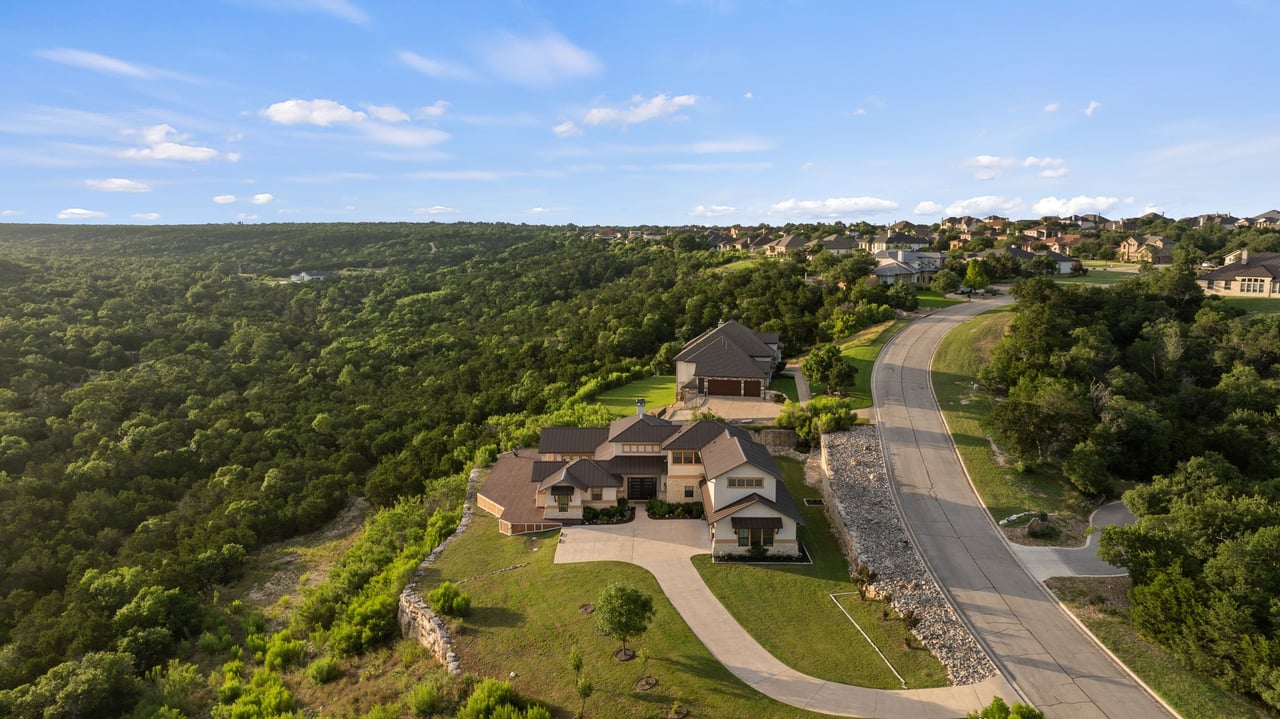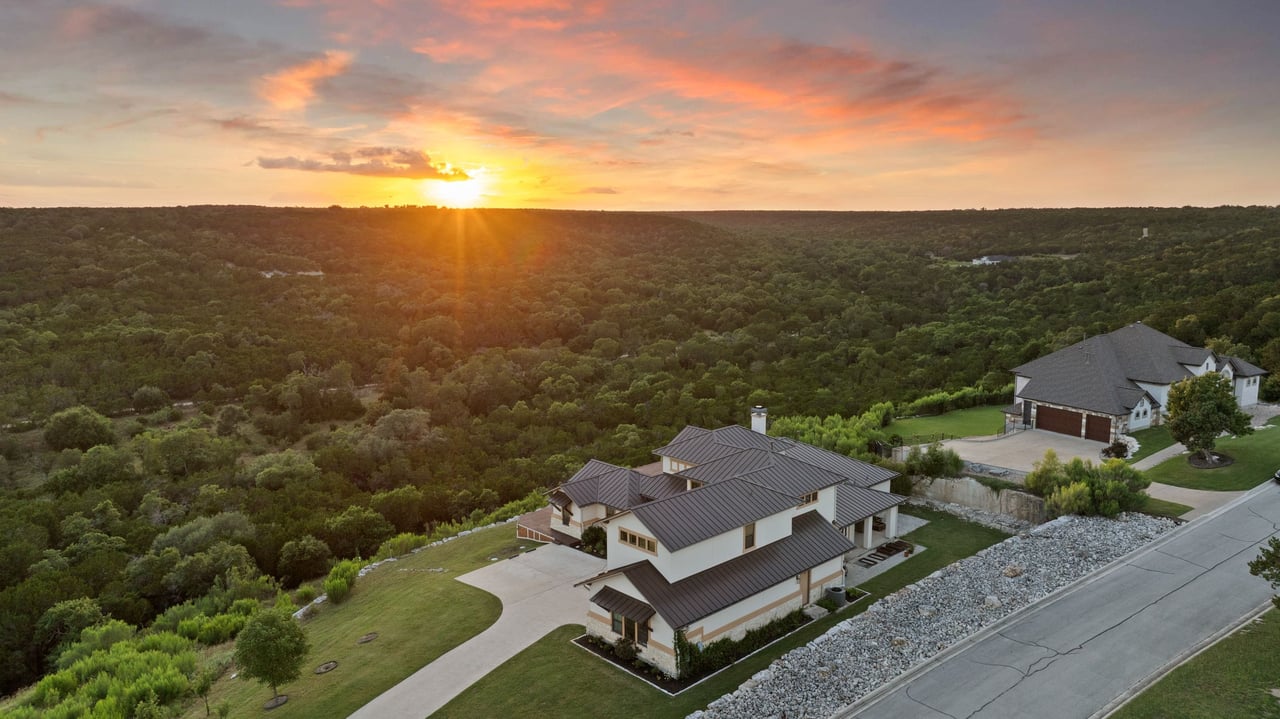
Every home sale in Texas now runs through a new form. As of July 1, 2026, sellers statewide have to complete TREC's Water Notice, a standalone disclosure asking what they know about groundwater and surface water rights tied to the property, including whether it sits inside a Groundwater Conservation District and whether there's a well on site. For most of the state, that's a straightforward exercise. Pull up the district's records, confirm the well is registered, check a box.
In Liberty Hill, that first step doesn't exist. A large stretch of the city and the acreage communities around it, including sections of Northgate Ranch, ClearWater Ranch, and Rancho Santa Fe, sit outside any groundwater conservation district. There's no registry to check against, no district staff to call for a water-level report, no official spacing rules a seller can point to and say "this is how we know our well is fine." The new form doesn't get easier here because there's less to disclose. It gets harder, because the seller is the only source of record.
What the form actually asks
The Water Notice, TREC Form 61-0, was adopted by the Texas Real Estate Commission on May 4, 2026, alongside an updated Seller's Disclosure Notice that added its own new lines for conservation easements, standby generators, and private roads. The water form is narrower and more specific: it asks sellers to state what they know about their groundwater rights, whether the property has a well, and whether it falls inside a GCD's jurisdiction. For a buyer, it's meant to surface exactly the kind of information that used to come up mid-option-period, if it came up at all.
For a seller in a city-served subdivision, most of this gets answered by a utility bill. For a seller on acreage in Liberty Hill, where private wells are common and city water doesn't reach every lot, the honest answer to "is this in a GCD" is simply no. That's a true statement, but it's also the point where most sellers stop thinking about the question, when it should be where they start.
The district that almost happened
Liberty Hill's water story didn't arrive at this gap by accident. Rock crushers, the equipment used to drill new wells, had become a common enough sight in the area that a group of residents organized in 2022 around a shared concern: the Trinity aquifer, the source for wells across western Williamson County, was showing signs of strain. That group became the Aquifer Conservation Alliance, and its goal was straightforward. Bring the area under the supervision of the Clearwater Underground Water Conservation District, the Bell County-based agency already managing groundwater just to the north.
The alliance filed a petition in late 2022, pulled it, and refiled in September 2023. Clearwater's board held public hearings in early 2024, drawing residents alongside a state representative and a county commissioner into the conversation about whether roughly 503 square miles west of Interstate 35 should come under formal groundwater oversight for the first time. One of the alliance's organizers put the case for annexation plainly, telling residents at an earlier hearing that the district could be operational and doing water-level checks within months of a successful vote, not years.
Clearwater's board voted the petition down in February 2024. The area stayed outside any groundwater conservation district, and it remains that way today.
Why "no district" raises the bar instead of lowering it
Here's the part that gets missed. A buyer looking at a home in a GCD-covered area can pull the district's well registry, see when the well was drilled, check reported yield, and get a sense of how the aquifer in that specific area is trending. None of that exists for a Liberty Hill well outside district boundaries. The only paper trail is whatever the property owner has kept, plus the original well report the driller was required to file with the state when the well went in.
That report, the State of Texas Water Well Report, is a public record, but it has to be located and requested. It won't show up automatically when a buyer runs a title search, and there's no district staff member fielding calls about it. The Texas Water Development Board maintains general guidance on how well reports work and how to track one down, and it's worth reading before assuming the paperwork will surface itself during closing.
"We would be operational in months, not years," one of the alliance's organizers told residents ahead of an earlier round of hearings, describing what oversight could look like once the area came under a district's supervision.
That future didn't happen. What sellers and buyers are left with instead is a form that asks the right questions and a market with no official source to answer them from.
What to actually do before you sign
For a seller with a well on acreage in Liberty Hill, filling out the Water Notice honestly takes more than a quick yes or no. A few things worth having in hand before the form goes to the buyer:
- Locate the original well report filed with the state at the time of drilling, which shows depth, aquifer, and reported flow at the time of construction.
- Confirm in writing whether the property falls inside any groundwater conservation district boundary. Most of western Williamson County does not, but boundaries along the edges of the county can vary lot to lot.
- Note the well's age and any known changes in output, since a well that produced well in 2010 isn't guaranteed to produce the same in 2026.
- Keep records of any pump repairs, re-drilling, or water testing, even informal ones, since these are the kind of details a buyer's option-period inspection will surface anyway.
- If the property has both a well and a connection to city or co-op water, disclose both and note which one is primary.
For a buyer, the corresponding move is to stop treating "not in a GCD" as a non-issue and start treating it as a research assignment. That means asking directly for the well report, asking about flow rate history rather than just current output, and understanding that the absence of a district isn't a regulatory gap that protects the buyer. It's a gap that shifts the burden of proof onto whatever documentation the current owner happens to have kept.
A few questions worth asking directly
Does the Water Notice apply to every Liberty Hill sale, even homes on city water? Yes. The form asks about known water rights and GCD status regardless of the water source, so a home on municipal water still requires the seller to answer the questions, even if the answers are simpler.
If my well was drilled decades ago, is the original report even findable? Often yes, since well reports are filed with the state at the time of drilling and become part of the public record, though older or informally drilled wells can be harder to trace. This is worth confirming early, not during the option period.
Could this area still end up under a groundwater conservation district someday? It's possible. The 2024 vote settled the specific petition brought by the Aquifer Conservation Alliance, but annexation efforts in Texas have been revisited before under different terms or sponsors. Nothing currently pending would change the disclosure picture for a sale happening now.
The new form is a good one. It closes a real gap in what Texas buyers used to learn about the water under their feet, and it does so at a moment when that information matters more than it used to. What it can't do is create a district where residents voted one down. Until that changes, the honest way to fill out Line after line on a Liberty Hill well is with the seller's own records, not a database that doesn't exist.
If you're weighing a sale or a purchase on acreage in Liberty Hill and want a clear read on what your specific property's paperwork actually supports, Sherri Farias can walk through it with you. Let's Connect.