Looking for more privacy without feeling cut off from everyday convenience? That is the main reason many buyers take a closer look at Grand Mesa at Crystal Falls. If you are comparing neighborhoods in Leander and wondering why this section stands out, this guide will help you understand the lot sizes, home style, upkeep, and trade-offs that come with buying here. Let’s dive in.
Grand Mesa offers a different lifestyle
Grand Mesa is part of the larger Crystal Falls master-planned community in Leander, but it has a very different feel from many of the other sections. Crystal Falls spans 3,000 acres and more than 3,600 homes across ten neighborhoods, with amenities that include an 18-hole public golf course, trails, fishing ponds, parks, tennis, amenity centers, and the 19th Hole Pavilion.
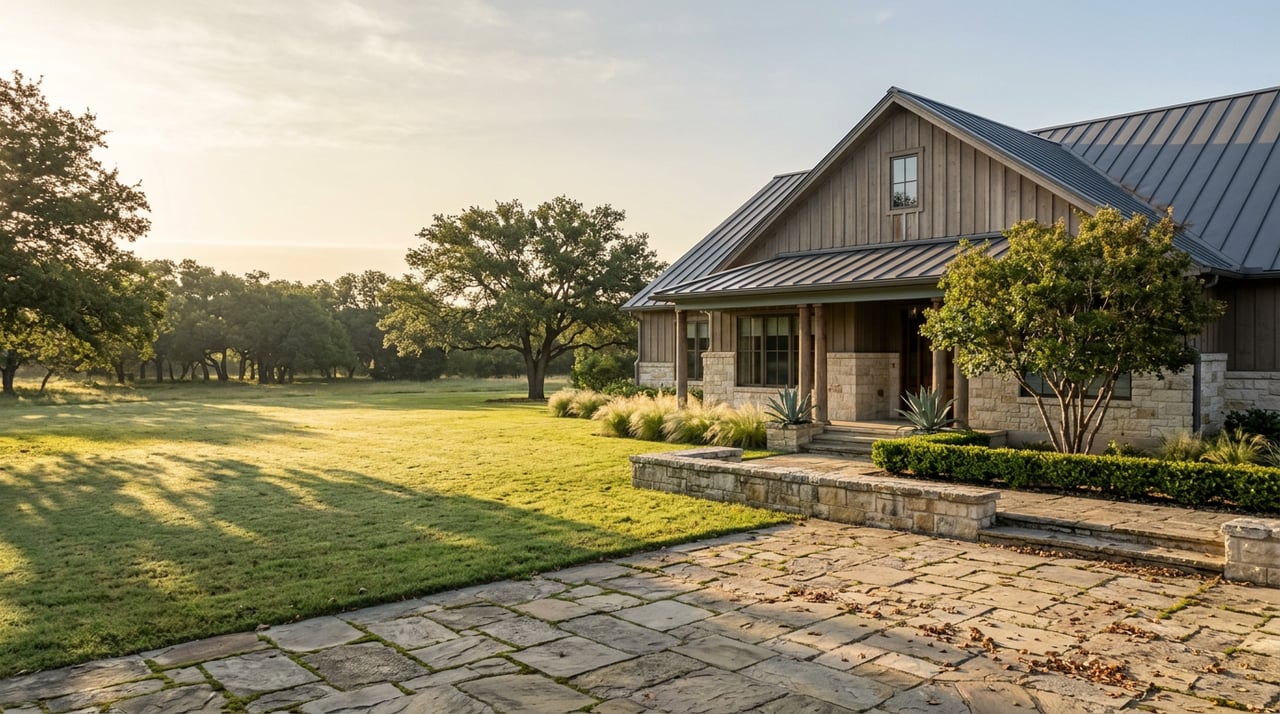
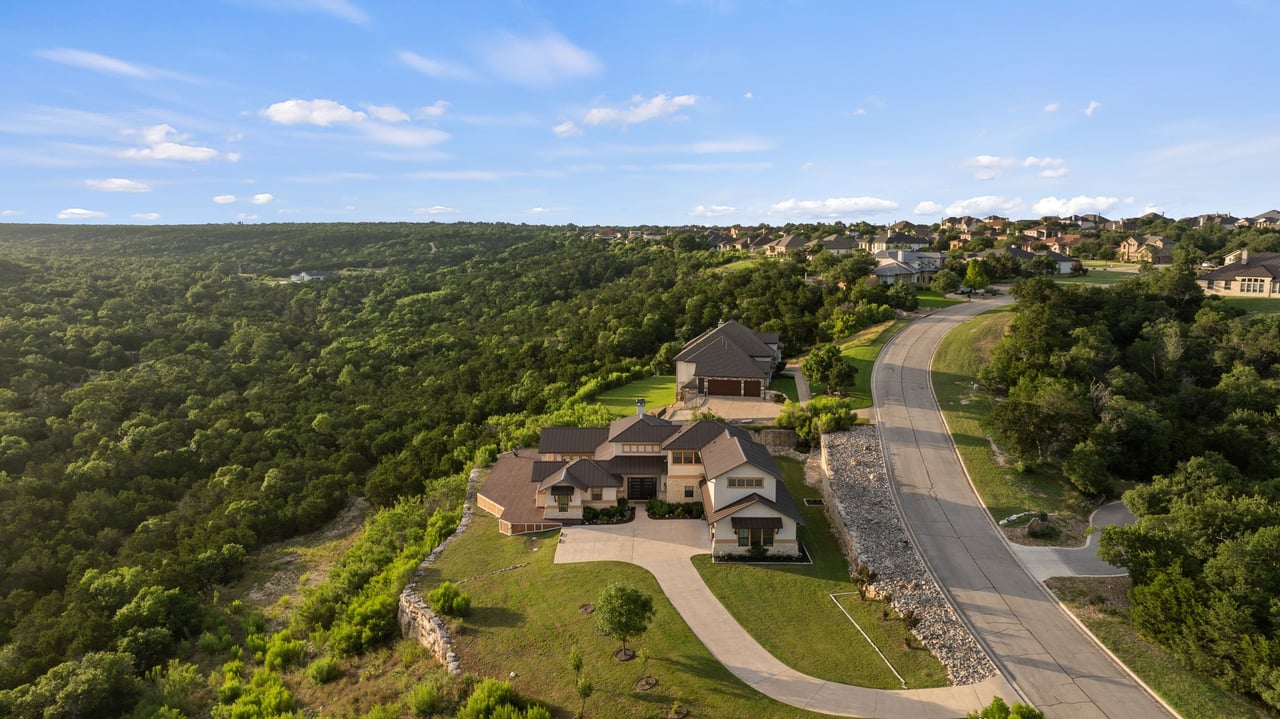
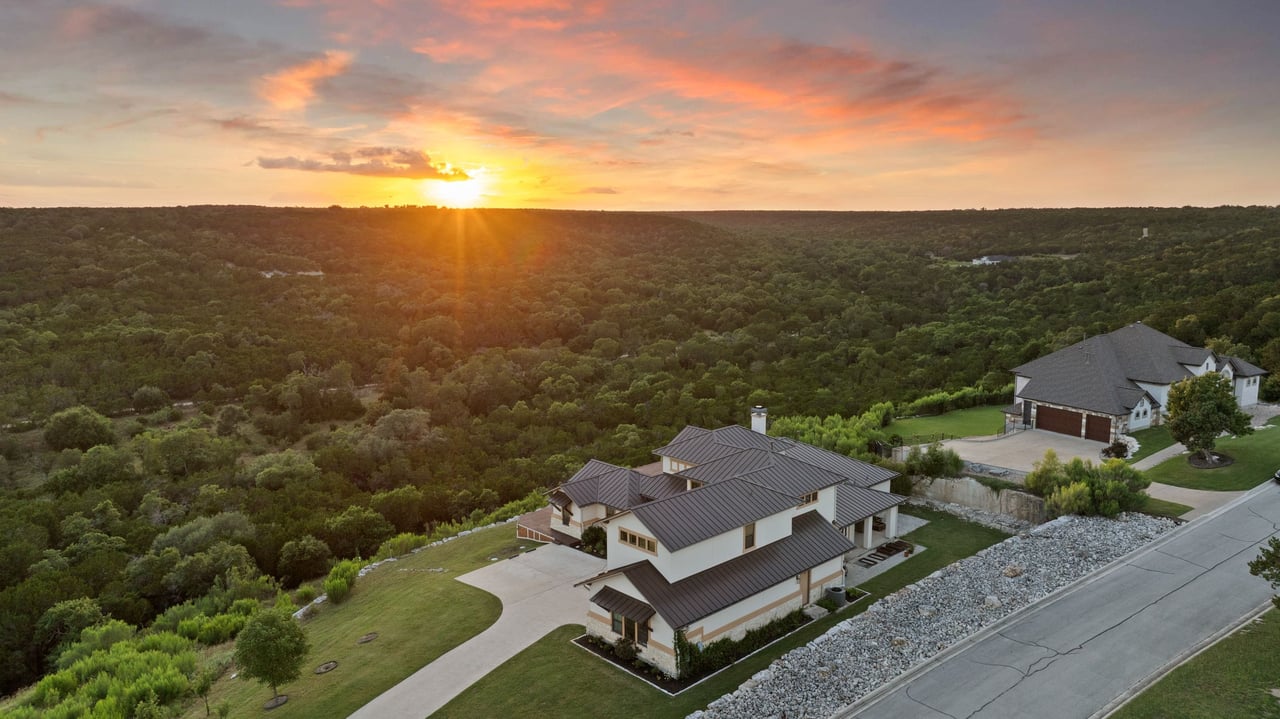
What makes Grand Mesa different is its focus on acreage homesites, custom homes, private streets, and a more natural Hill Country setting. The HOA describes it as a gated acreage community with 1 to 7 acre homesites, expansive views, wooded surroundings, wildlife, and no streetlights, which supports its Dark Sky approach.
For many buyers, that creates a sweet spot. You get more land and a more private setting, while still being connected to the wider Crystal Falls amenity network and the broader Leander area.
Lot size is the biggest difference
If you are comparing Grand Mesa to more typical master-planned neighborhoods, the lot sizes are usually the first thing you notice. Grand Mesa homesites range from 1 to 7 acres, which is a major shift from the smaller suburban lot pattern many buyers are used to seeing nearby.
That extra land can change how you live on the property. It may give you more room for outdoor living, more separation from neighbors, and more flexibility for features like a pool or expanded patio space.
It also changes how you evaluate a home. In Grand Mesa, the lot is not just a backdrop. It often plays a big role in the value, layout, and long-term experience of the property.
Terrain shapes the homes here
Grand Mesa includes golf-course, creek-front, ridge-top, and canyon lots. That variety adds character, but it also means two homes in the same neighborhood can live very differently depending on the site.
The recorded declaration says the developer does not broadly grade most wooded lots. Instead, builders are responsible for drainage, which means the topography can affect your floor plan, driveway design, retaining walls, and landscaping budget.
If you love the idea of a more natural homesite, this can be a strong plus. If you want a flatter, more predictable lot with fewer site variables, it is worth looking closely before you make an offer.
The architecture is guided by design rules
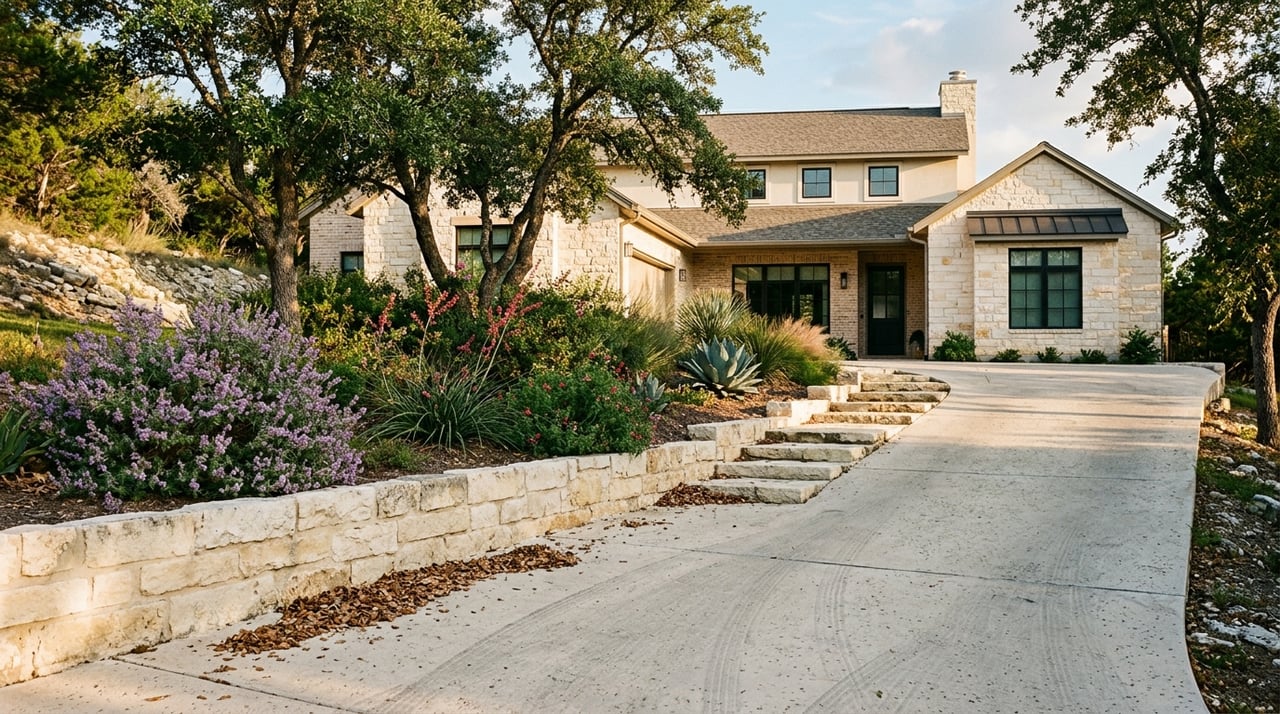
Another thing that sets Grand Mesa apart is that the look and feel of the neighborhood is controlled on purpose. The governing documents emphasize classic Hill Country architecture, masonry, earth-tone colors, porches, courtyards, and designs that work with the trees and terrain.
There is also a minimum size requirement. Primary residences must be at least 3,000 square feet under roof, and exterior changes require written approval from the Architectural Control Committee.
For many buyers, this structure is part of the appeal. It helps support a consistent streetscape and protects the visual character that draws people to Grand Mesa in the first place.
Custom does not mean unlimited
Grand Mesa is known for custom homes, but that does not mean anything goes. At least one builder in the neighborhood has offered selectable plans, customization, and fully custom homes, so the experience can vary depending on the property and builder.
The recorded rules allow one guest house or workshop up to 1,200 square feet behind the main residence. Garages are expected to be at least two-car, and the design standards favor side- or rear-load garages over front-facing garage dominance.
That balance matters. Buyers who want a polished estate feel often appreciate these standards, while buyers who want fewer restrictions on future changes may find the rules more limiting.
Outdoor features come with clear limits
One of the benefits of Grand Mesa is that the larger lots can create room for outdoor living. The community information notes that homesites can accommodate family pools, and pools are allowed under the governing documents.
At the same time, exterior additions are closely managed. Prefabricated sheds are prohibited, fencing is limited to black wrought-iron-style pickets or approved stone walls, and retaining walls may be required on sloped lots.
This is an important distinction for buyers. The neighborhood supports outdoor living, but it does so within a defined design framework rather than a free-form approach.
Utilities and maintenance matter more here
Acreage living often comes with details that buyers do not face in a more standard neighborhood, and Grand Mesa is a good example. The governing documents say each residence must purchase water through the City of Leander, and electrical, cable, and phone lines are intended to be installed underground.
The same documents also state that septic tanks and drain fields visible from the street must be screened or landscaped. Lighting is regulated to reduce light pollution and help preserve dark skies.
These details support the neighborhood’s overall character, but they also mean buyers should pay close attention to infrastructure and site planning. In Grand Mesa, the land and the house work together, so both deserve careful review.
Natural lots need active planning
Grand Mesa’s wooded setting is part of its appeal, but it does not always mean lower upkeep. The declaration says native foliage may not be clear-cut, drought-tolerant planting is encouraged, and drainage is largely handled at the builder level because the lots are not broadly pre-graded.
In practical terms, that can mean a more hands-on relationship with erosion control, retaining walls, landscape planning, and ongoing maintenance. Privacy here usually comes with more responsibility, not less.
That does not make it a drawback for the right buyer. It simply means Grand Mesa tends to fit people who value land, views, and a natural setting enough to plan for the upkeep that comes with them.
Parking and storage rules are stricter
This is one area buyers should not overlook. The recorded rules limit street parking and restrict where boats, trailers, RVs, and large commercial vehicles can be stored.
Garage and driveway parking must stay on improved surfaces, which means vehicle storage is more regulated than some buyers expect. If you own recreational vehicles or work trucks, this is worth reviewing early in your search.
Small details like this can have a big impact on day-to-day fit. A neighborhood can be beautiful on paper, but the right match depends on how well it supports your actual lifestyle.
Grand Mesa works best for specific buyers
The clearest way to think about Grand Mesa is this: it is the acreage and custom-home option within Crystal Falls. It is less about dense amenity living and more about land, privacy, views, and a strong Hill Country identity.
That positioning makes it especially appealing if you want a secluded-feeling property without giving up access to the wider Leander area. Crystal Falls notes proximity to shopping at 1890 Ranch and Lakeline Mall, the CapMetro rail station, Lake Travis, and major employers.
For the right buyer, that balance is hard to find. You get a more private homesite and custom-home feel, while still staying connected to the conveniences and amenities that make daily life easier.
Due diligence matters more here
Before you buy in Grand Mesa, it is smart to review the governing documents for the exact section and lot you are considering. Crystal Falls uses separate CCRs by neighborhood, and Grand Mesa includes multiple sections.
That matters because rules, obligations, and site details can vary. The recorded Section 4 declaration also notes that Section 4 lies in both Travis and Williamson counties, so county line and appraisal details should be confirmed for the specific parcel.
Carrying costs deserve a close look too. Crystal Falls lists Grand Mesa’s 2026 monthly HOA assessment at $104, including the road fund, and the neighborhood’s private streets and shared roadway obligations are part of what buyers are paying to maintain.
Ask about utility setup early
One more item to confirm is utility choice. The recorded Section 4 declaration includes a gas non-utilization charge and names a natural-gas provider, so buyers planning a specific energy setup should verify current applicability with title, the HOA, and their builder.
This is especially important if you are considering a new build, a major remodel, or an all-electric plan. In a neighborhood like Grand Mesa, the best experience usually comes from asking detailed questions early rather than solving surprises later.
The bottom line for buyers
Grand Mesa at Crystal Falls stands apart because it offers something harder to find in Leander: larger acreage homesites, custom-home character, gated privacy, and a more preserved Hill Country setting within a broader master-planned community. It is a strong fit if you value space, views, and architectural consistency.
The trade-off is just as important to understand. More land and privacy usually come with more rules, more site planning, and more maintenance awareness than a typical suburban neighborhood.
If that trade-off sounds worth it to you, Grand Mesa can be a very compelling option. And if you want help comparing lots, reviewing neighborhood differences, or spotting the practical details that matter before you buy, working with a local advisor can make the process much clearer.
If you are thinking about buying in Grand Mesa or anywhere in Crystal Falls, Sherri Farias can help you evaluate the details, compare your options, and move forward with clarity.
FAQs
What makes Grand Mesa at Crystal Falls different from other Crystal Falls neighborhoods?
- Grand Mesa stands out for its 1 to 7 acre homesites, gated setting, private streets, custom-home feel, wooded terrain, expansive views, and stronger emphasis on privacy and land than many other sections of Crystal Falls.
Are homes in Grand Mesa at Crystal Falls all custom homes?
- Not entirely. Grand Mesa is known for custom homes, and at least one builder has offered selectable plans, customization, and fully custom homes.
Can you build a guest house in Grand Mesa at Crystal Falls?
- The governing documents allow one guest house or workshop up to 1,200 square feet behind the primary residence, subject to the neighborhood’s rules and approval requirements.
Do Grand Mesa at Crystal Falls lots require more maintenance?
- In many cases, yes. The natural terrain, drainage planning, wooded setting, erosion control, retaining wall needs, and landscaping rules can make these homesites more maintenance-aware than a standard suburban lot.
What should buyers review before purchasing in Grand Mesa at Crystal Falls?
- Buyers should review the governing documents for the exact section, confirm county and appraisal details for the specific parcel, understand the HOA assessment and private road obligations, and verify utility-related items that may affect their plans.