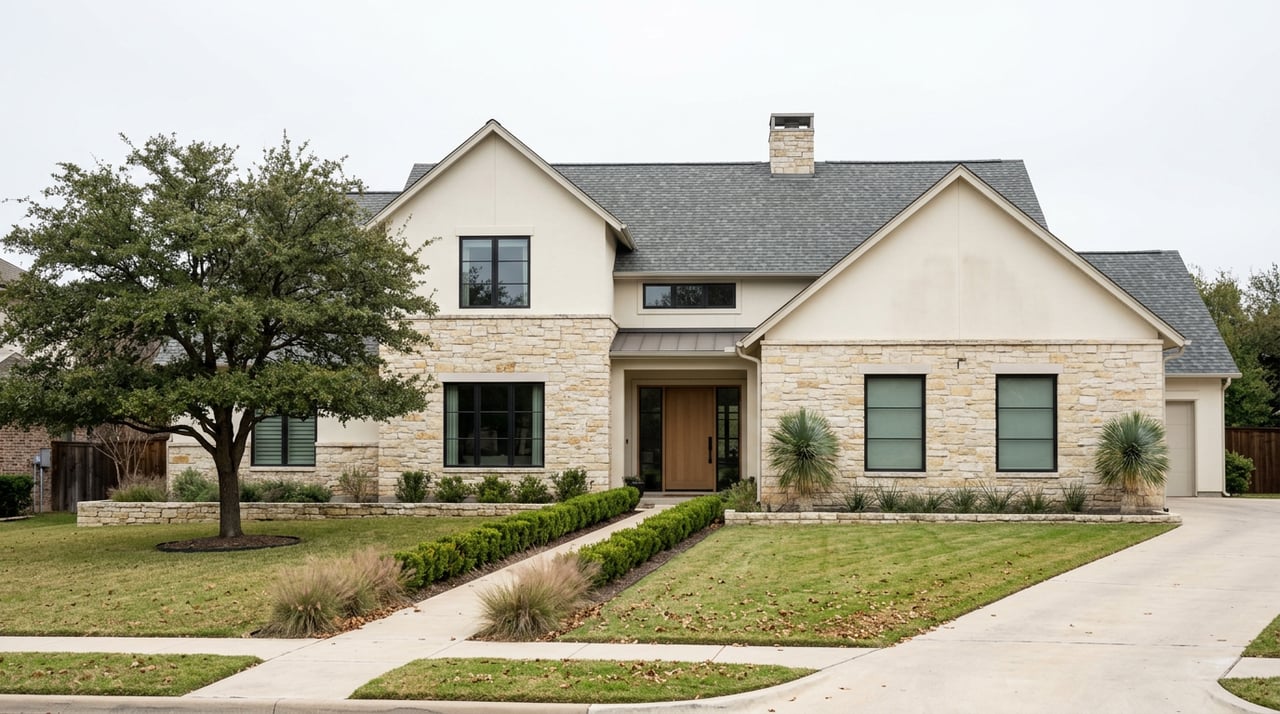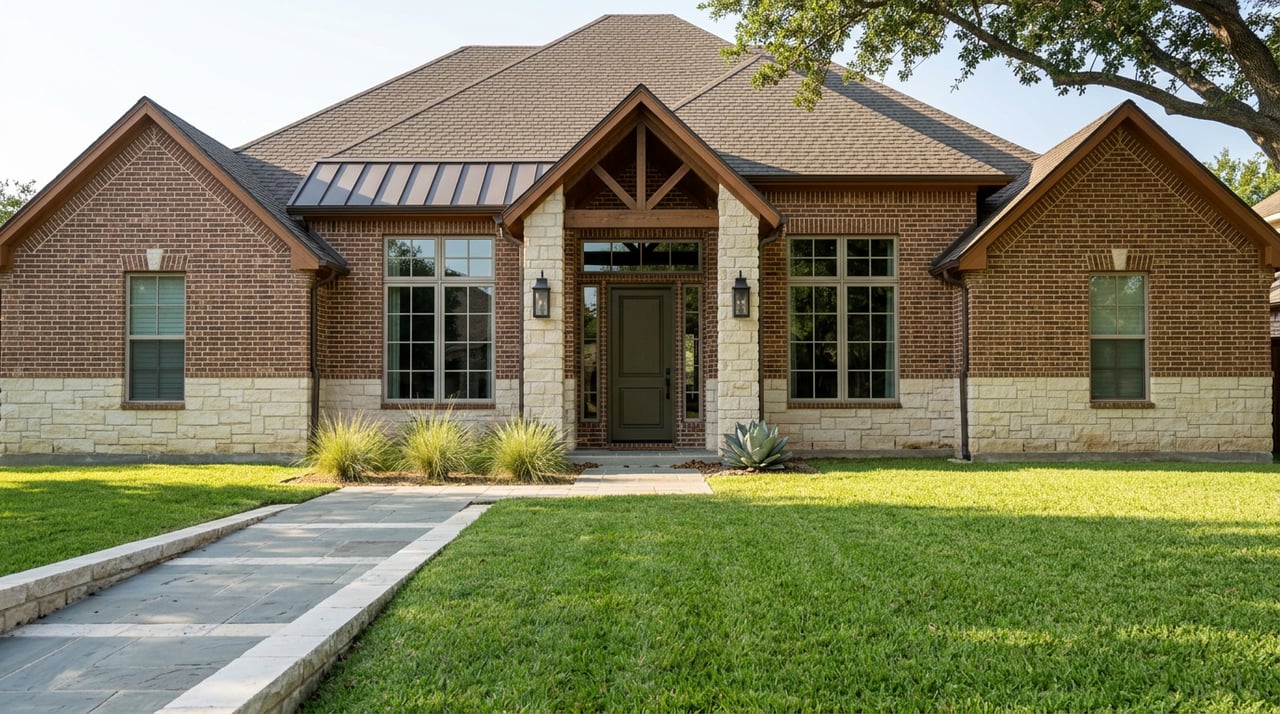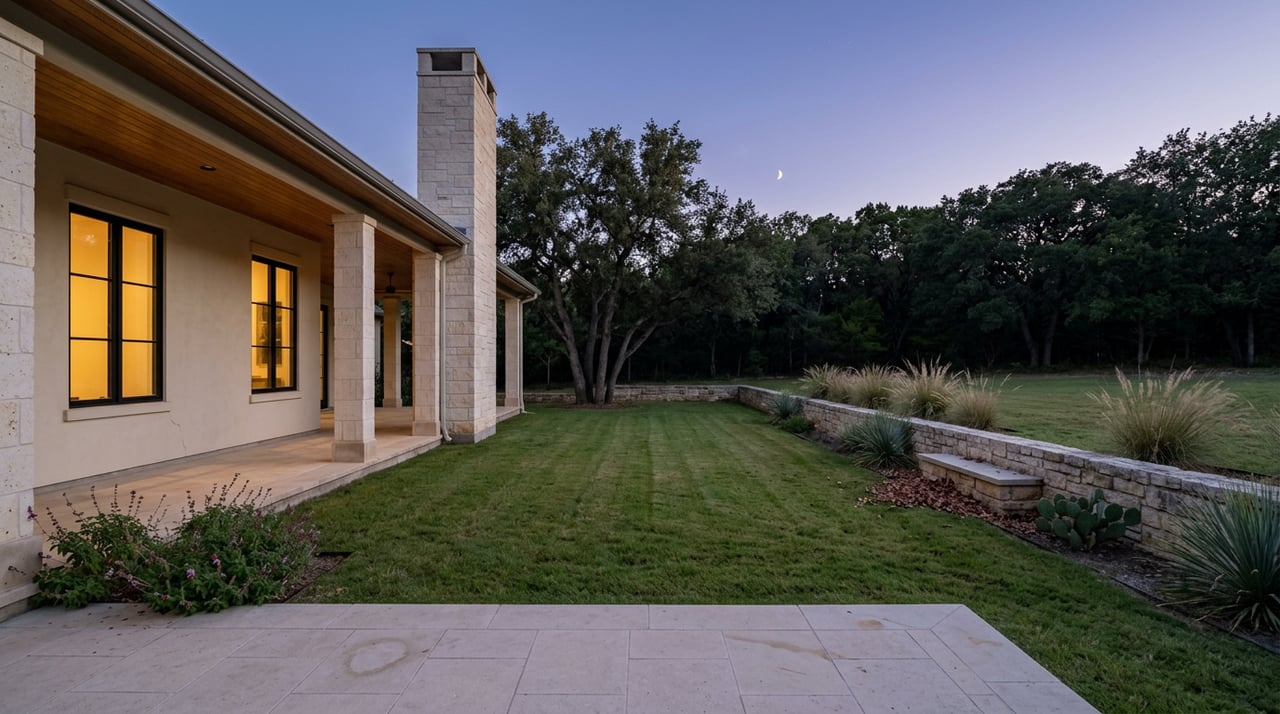
If your current home no longer fits the way you live, you are not alone. Many Leander homeowners reach a point where they want more square footage, a different lot size, better separation of spaces, or a neighborhood setup that matches this next season of life. The good news is that moving up in Leander can give you more options without leaving the area you already know. In this guide, you’ll learn how to compare Leander neighborhoods, budget for a larger purchase, and build a smart plan for selling and buying with less stress. Let’s dive in.
Why Leander Works for Move-Up Buyers
Leander continues to attract buyers who want more home without giving up access to the North Austin area. Census QuickFacts shows the city at 91,132 residents as of July 1, 2025, up 53.8% from April 1, 2020, which reflects just how much attention this area is getting.
That growth matters when you are moving up. It means you are not limited to one type of housing choice. In Leander, you can compare established communities, acreage properties, and newer master-planned options depending on whether your next priority is space, privacy, amenities, or a different day-to-day feel.
The city also notes that Leander is roughly 20 miles from downtown Austin. For many move-up buyers, that creates a practical tradeoff conversation around commute, lot size, home age, and neighborhood amenities rather than a simple choice of staying or leaving.
Start With Your Real Goal
Before you tour homes, get specific about what “move-up” means for you. Some buyers need more bedrooms or a dedicated office. Others want a larger yard, a three-car garage, newer construction, or a home that feels better laid out for everyday life.
It helps to separate needs from preferences. A bigger home on paper is not always the best fit if the lot is smaller than you want, the monthly costs stretch your budget, or the location creates a tougher routine.
Try building your list around a few priorities:
- More interior space
- Larger lot or more privacy
- Newer home with less immediate maintenance
- More neighborhood amenities
- Different section of Leander for lifestyle or commute reasons
- Specific address-based school zoning to verify before offering
That last point is especially important. Leander ISD says school assignment should be verified by address through its attendance-zone lookup and county appraisal search, so you should not assume a school based only on the neighborhood name.
Compare Leander’s Main Move-Up Paths
Leander gives you a useful range of move-up options, especially if you are focused on Crystal Falls, Grand Mesa, or Travisso. Each offers a different balance of home style, lot size, and lifestyle.
Crystal Falls: Broadest Range of Choices
Crystal Falls is one of the most useful places to start because it gives you the widest in-city comparison set. The community began in 2000 and now spans 3,000 acres with more than 3,600 homes across ten neighborhoods.
That variety is a major advantage if you are moving up but want to stay flexible. According to the HOA, Crystal Falls includes custom acreage estates, smaller-lot traditional homes, townhomes, golf-course homes, and cottage-style living, which means you can compare very different home types without leaving the same overall corridor.
Amenities are another part of the appeal. Crystal Falls includes two amenity centers, pools, sports courts, walking trails, an 18-hole disc golf course, fishing ponds, and an 18-hole public golf course with a clubhouse and restaurant.
Grand Mesa: Acreage and Privacy
If your version of moving up is more land and more breathing room, Grand Mesa at Crystal Falls stands out. It is a gated acreage community with homes on 1 to 7 acres, private streets, and a setting shaped by ridge-top, canyon, golf-course, and creek-front homesites.
The HOA describes Grand Mesa as dark-sky compliant with no streetlights, and notes native wildlife such as deer and wild turkeys. For buyers focused on privacy, outdoor space, and a Hill Country feel while staying in Leander, this is one of the clearest in-city options.
Grand Mesa is also adjacent to amenities including tennis courts, a park, a playscape, and the 19th Hole Pavilion overlooking the golf course. Its 2026 HOA assessment is $104 per month, which includes a $63 monthly HOA fee plus a $41 road fund.
The Highlands: Amenities With Lower HOA Dues
The Highlands at Crystal Falls offers a different kind of move-up appeal. The HOA presents it as a section with a local playscape, pool, fishing lake, nearby elementary and middle schools, and community events centered on the 12-acre Quarry Park.
For buyers who want community amenities but also want to watch monthly carrying costs, this section may be worth a closer look. Its 2026 HOA assessment is $63 per month, which is lower than some sections with added road-fund or premium-fee structures.
Travisso: Newer Homes and Amenity Density
If you want a newer master-planned feel, Travisso should be part of your search. The community includes more than 350 acres of open space and a 9-acre amenity center anchored by the Palazzo Clubhouse, plus a second amenity center called The Forum.
Its amenity mix includes a resort-style pool, splash pad, fitness center, tennis, pickleball, basketball courts, parks, and miles of trails. Homes are marketed from the $600s to $2M+, with floor plans ranging from about 2,000 to more than 5,000 square feet.
Travisso is also helpful because it makes lot-size comparisons easier. Builder information organizes homesites by widths in the 50s, 60s, 70s, 80s, and 100s, which gives you a practical way to compare a larger home purchase without automatically jumping to acreage.
The community page lists assigned schools, but you should still confirm the exact address through Leander ISD before making a school-based decision.
Think Beyond Price Tag
A move-up purchase is not just about whether you can afford the list price. It is about whether the total monthly cost still leaves room for everyday life, savings, and the surprises that come with a larger house.
Census QuickFacts lists Leander’s median owner-occupied home value at $506,200 and median monthly owner costs with a mortgage at $2,804. Those citywide numbers are useful for context, but your true payment will depend on the exact address, financing terms, taxes, insurance, and HOA dues.
Budget for Down Payment and Closing Costs
The CFPB says buyers should plan for both a down payment and closing costs. It notes that closing costs typically run about 2% to 5% of the purchase price, and that many loans require at least 3% down while many require 5% or more.
The CFPB also recommends keeping an emergency cushion of at least 3 to 6 months of expenses, in addition to moving and setup costs. For a move-up buyer, that reserve matters because a bigger home can bring higher utility bills, maintenance costs, and furnishing expenses.
Verify Property Taxes by Address
One of the biggest mistakes move-up buyers make is using one flat tax estimate for every home. In Leander, property taxes vary by parcel because multiple taxing entities apply.
The City of Leander’s FY2026 adopted tax rate is $0.417282 per $100. Leander ISD’s 2024-25 total tax rate is 1.08690, and one Williamson Central Appraisal District Leander property record shows Williamson County at 0.369447 per $100 with added ACC, FM/RD, and WCID levies, totaling 2.038358 per $100.
The takeaway is simple: verify the actual tax bill for the specific property before deciding what fits your budget.
Count HOA Dues in Your Monthly Cost
HOA dues can meaningfully change affordability. Crystal Falls’ 2026 assessments range from $63 to $251 depending on the section, with Grand Mesa at $104 and The Highlands at $63.
If you are comparing neighborhoods, treat HOA dues as part of the housing payment from day one. That helps you compare homes more realistically and avoid stretching just because the base mortgage number looks manageable.
Plan the Sale and Purchase Sequence Carefully
For many move-up buyers, the hardest part is not choosing the next home. It is timing the sale of the current one with the purchase of the new one.
A practical plan usually starts with three things:
- Preapproval
- A realistic value range for your current home
- A clear timeline for how much time you have to sell before the next closing
That sequencing matters because CFPB guidance notes that homeowners normally try to sell first before buying another home. If you need to buy before selling, financing becomes more complex and your comfort level with carrying costs matters even more.
Use Smart Contract Protections
The CFPB recommends making your purchase offer and contract contingent on financing and on a satisfactory inspection. Those protections matter because they can keep you from being locked into a purchase if your loan falls through or the inspection reveals serious issues.
The CFPB also notes that lenders generally require an appraisal. If the appraisal comes in low, that can affect your closing path and may lead to renegotiation, repairs, or lender-required changes.
Understand Bridge Financing Limits
If you need funds from your current home before it sells, bridge or swing loans can sometimes be part of the solution. Fannie Mae recognizes bridge loans as an acceptable source of funds when the lender documents your ability to carry the new home, the current home, the bridge loan, and your other obligations.
Fannie Mae also says the bridge loan cannot be cross-collateralized against the new property. In plain terms, this is not a shortcut you should assume will work automatically. It needs careful planning with your lender before you make a move.
New Construction Can Be a Strong Move-Up Option
If you want modern layouts, current finishes, and a smoother maintenance curve, new construction may be a smart fit. This can be especially appealing in Leander, where communities like Travisso offer larger floor plans and a range of lot widths.
That said, builder contracts and deposits deserve close attention. The CFPB notes that builders may ask for an upfront builder deposit, sometimes called earnest money, and buyers should ask when that deposit can be returned.
The CFPB also says you do not have to use the builder’s preferred lender. That matters because your best long-term loan fit may come from a different financing option, even if the builder is offering an incentive.
Should You Renovate Instead?
Sometimes the real question is not where to move, but whether you should move at all. If you like your location, you may be weighing the cost and effort of updating your current home against buying a larger one.
In communities like Crystal Falls, renovation can involve more than design and construction decisions. The HOA says most exterior changes require Architectural Control Committee approval, and the review window can take up to 30 days.
That does not mean renovation is the wrong choice. It does mean that your timeline may be slower and your project may be more rule-driven than expected, especially if your wish list includes exterior changes.
Ask Better Questions on Every Home
As you narrow your options, focus on questions that reveal the true fit of the property, not just the photos or finishes. This is where move-up buyers often gain clarity quickly.
Ask questions like:
- What are the exact property taxes for this address?
- What are the current HOA dues for this section?
- Are there added road-fund or special assessment costs?
- What lot size and home-site width am I really getting?
- What inspection issues could be more common on this type of property?
- What is the flood or disaster history of the home or area?
- Is the school assignment confirmed by exact address?
The CFPB recommends asking about flood and disaster history before making an offer, reviewing flood and wildfire risk sources, and including an inspection clause. That is especially relevant when you are comparing wooded homesites, acreage properties, or homes in wildland-interface settings. Crystal Falls also identifies itself as a Firewise Community, which adds useful context for buyers reviewing site risk.
A Smarter Way to Move Up in Leander
The best move-up decisions usually come from clarity, not urgency. In Leander, you have the advantage of being able to compare established neighborhoods, acreage options, and newer master-planned communities without leaving the city.
If you know what matters most to you, verify the property-level details, and build a realistic sale-and-purchase plan, you can make a move that improves both your home and your day-to-day life. If you want a calm, strategic conversation about your options in Leander, Crystal Falls, Grand Mesa, or new construction communities, Sherri Farias can help you map out the next step.
FAQs
What does a move-up home in Leander usually mean?
- A move-up home in Leander usually means buying a larger or better-fitting property than your current one, often with more square footage, a different lot size, added amenities, newer construction, or more privacy.
Which Leander neighborhoods are common for move-up buyers?
- Crystal Falls, Grand Mesa at Crystal Falls, The Highlands at Crystal Falls, and Travisso are common options because they offer different mixes of home size, lot size, amenities, and neighborhood feel.
How should you verify Leander ISD school zoning for a home?
- You should verify school zoning by the exact property address using Leander ISD’s attendance-zone lookup and the county appraisal property search rather than assuming zoning from the neighborhood name.
How much should you budget for closing costs on a move-up home?
- The CFPB says closing costs typically run about 2% to 5% of the purchase price, so you should budget for those costs in addition to your down payment, moving costs, and cash reserves.
Do Leander property taxes stay the same across every neighborhood?
- No. Property taxes vary by parcel because they are made up of multiple taxing entities, so you should verify the actual tax bill for the specific address you are considering.
Are HOA dues important when comparing Leander move-up homes?
- Yes. HOA dues can change your monthly housing cost significantly, and in Crystal Falls they vary by section, so they should be included in your budget from the beginning.
Is new construction in Leander a good choice for move-up buyers?
- It can be. New construction may offer modern floor plans, current finishes, and lower near-term maintenance, but you should review builder deposits, financing options, and contract terms carefully.
Should you renovate your current Leander home instead of moving?
- It depends on your goals, budget, and timeline. In some communities, including Crystal Falls, many exterior changes require HOA approval, which can affect the speed and complexity of a renovation plan.